
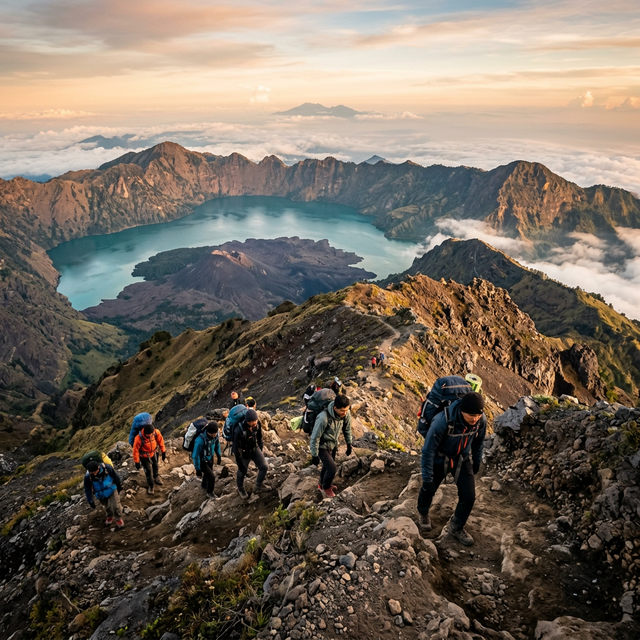
Prepare for Your
Rinjani Adventure
Everything you need to know to climb safely, comfortably, and responsibly.
Train Before You Climb
Mount Rinjani rewards stamina more than speed. Start preparing 2 to 3 weeks before your trip with light jogging, stair work, or regular long walks so the climb feels challenging in the right way, not overwhelming.
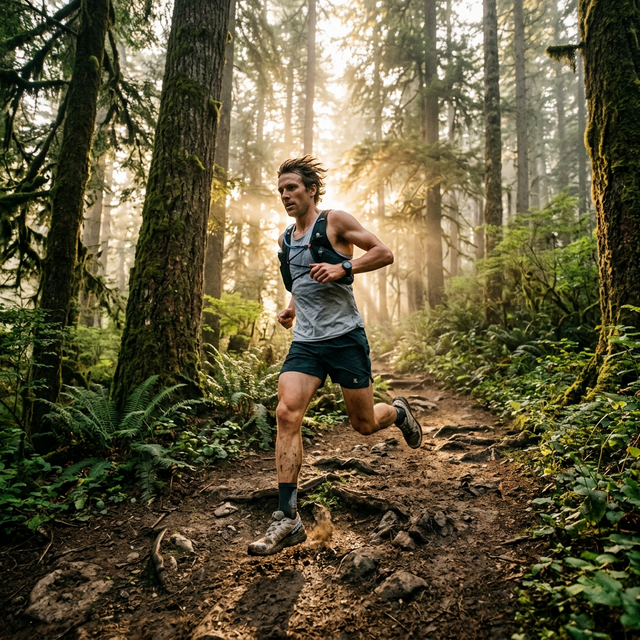
Cardio Endurance
Light jogging, cycling, or brisk walking helps build the stamina needed for long climbing hours. Good endurance matters most when the air gets thinner and the trail grows steeper toward the rim and summit.
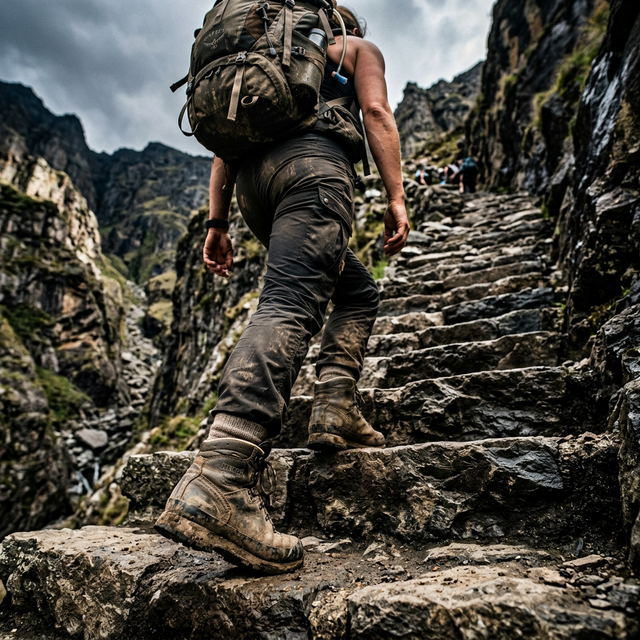
Stair & Incline Training
Practice on stairs or steep hills while wearing your trekking shoes and carrying a light daypack. This is the closest training for the long uphill sections and helps prepare your legs for the final summit push.
What to Bring
Our porters carry the main camping gear, food, and logistics, while you carry only your daily essentials in a comfortable 25-35L daypack. Keep it light, practical, and easy to access on the trail.
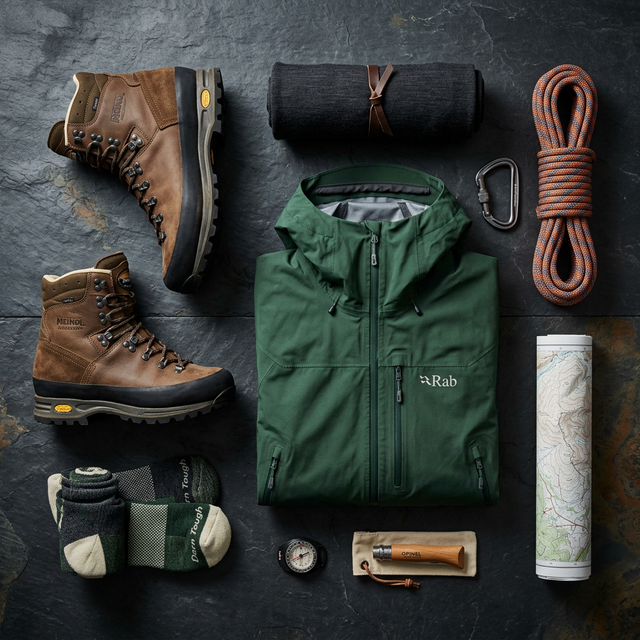
- Broken-in, sturdy Trekking Boots (mid-ankle recommended)
- 3-4 Moisture-wicking t-shirts (No cotton)
- 1 High-quality Windproof/Waterproof Jacket
- 1 Thick Fleece Jacket or Down Puffer (for summit)
- Warm Gloves and Beanie/Knit Hat
- Trekking Pants or Leggings (avoid jeans)
- Thermal Base Layers for sleeping
- 3-4 pairs of thick trekking socks
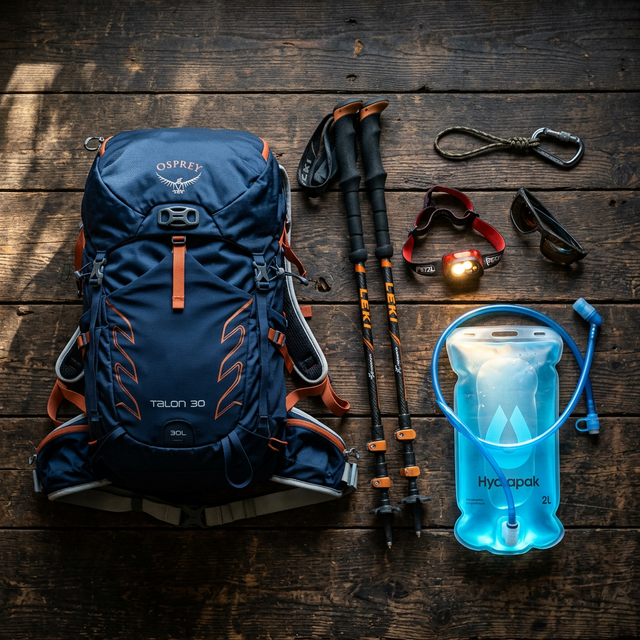
- 25L-35L Daypack with rain cover
- Headlamp (Crucial for 2AM summit push) + spare batteries
- Trekking Poles (Highly recommended for the sand descent)
- Sunglasses and Sun Hat/Cap
- Reusable Water Bottle or Hydration Bladder (Minimum 2L)
- Dry bags to protect electronics
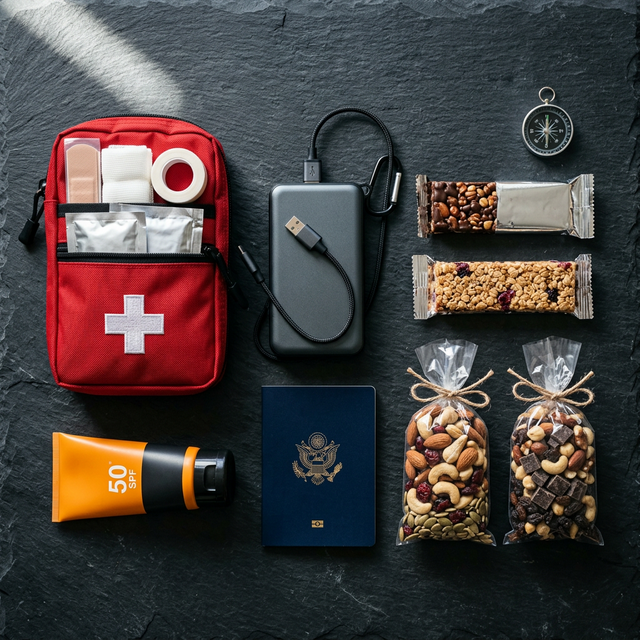
- High-SPF Sunscreen & Lip Balm
- Personal Medication & Blister Pads/Plasters
- Wet wipes, hand sanitizer, small travel towel
- Power bank (No electricity on the mountain)
- Energy bars, chocolate, trail mix (for quick summit calories)
- Original Passport/ID card (Required for National Park check-in)
Weather & Mountain Conditions
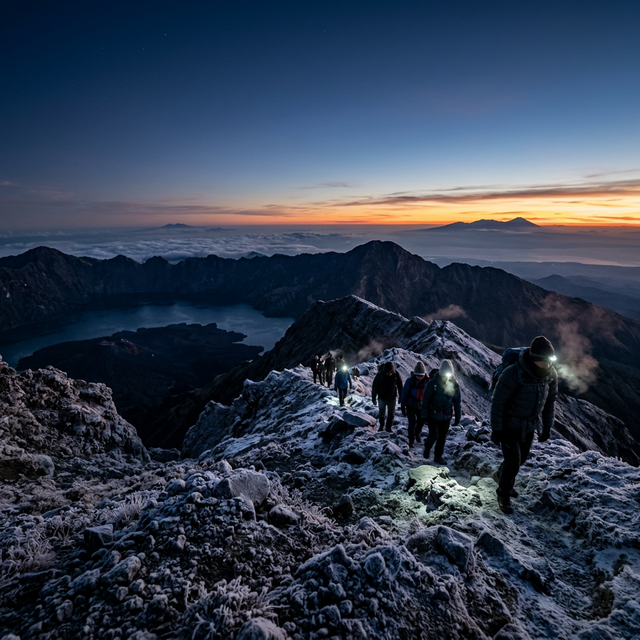
Cold Summit Nights
While the lower slopes feel tropical, temperatures near camp and the summit can drop to 5°C or lower at night, especially with strong wind chill.
Early Summit Push
To reach the summit for sunrise, the climb usually begins around 2:00 AM. You will move in the dark with headlamps, so staying warm and mentally ready matters.
Loose Volcanic Sand
The final summit section is steep and unstable underfoot. Stay patient, take short breaks, and trust your pace because the sunrise view is worth the effort.
Smart Trekking Strategies
Pace Yourself
Treat it like a marathon, not a sprint. Walk slowly and consistently, especially on the long uphill sections, and save your energy for the steeper terrain.
Layer Your Clothing
Mountain conditions change quickly. Use layers you can add or remove easily so you stay comfortable from hot daytime climbs to cold night camp and summit hours.
Hydrate Constantly
Drink before you feel thirsty. Water and electrolytes help maintain energy, prevent cramps, and keep your body working well at altitude.
Follow Your Guide
Your guide knows the terrain, weather, and technical sections best. If you feel dizzy, unwell, or need to slow down, tell them immediately.
Respect the Mountain
A good Rinjani trek is also a responsible one. Help protect the mountain, respect local communities, and follow these core guidelines on the trail:
- Do not litter, including organic waste. Carry all personal trash back down with you.
- Do not feed or disturb monkeys or other wildlife. Keep a safe distance and avoid loud noise.
- Stay on marked trails, use designated toilet areas, and respect all National Park rules.
- Respect local culture, keep campsites clean, and be considerate of other trekkers and staff.
Ready to Take
The First Step?
Tell us your fitness level, timeline, and the kind of experience you want. We will help you choose the right trek and prepare properly.